
MeasureRPM, amplitude and phase
Portable balancing instrument in active development
Turn vibration data into a clear correction.
VectorTrim is being developed to capture RPM, vibration amplitude, and phase—then guide the operator through a controlled trial run and calculate a practical correction onboard.
Focused on the work that matters
A standalone, guided instrument intended to close the gap between improvised methods and costly professional systems.

VT-1 DEVELOPMENT PROGRAM
Electronics proven. Production packaging underway.
CompareBaseline and trial response
CorrectWeight and angular position
VerifyRepeat and document the result
A focused field workflow
Three steps from vibration to correction.
VectorTrim keeps the arithmetic, vector plotting, and run-to-run recordkeeping inside the instrument so the operator can stay focused on setup and repeatability.
01
Capture a stable baseline
Run at the selected operating speed while the instrument evaluates RPM stability, vibration amplitude, phase, and sample quality.
02
Apply a known trial weight
Enter the trial-weight amount and angular location, then repeat the measurement under the same operating condition.
03
Install the calculated correction
The influence-vector calculation produces a correction amount and position, ready for a verification run.
Planned capabilities
Pay for the balancing job—not an oversized analysis platform.
The current prototype brings sensing, workflow, calculation, and result presentation into a single portable field device.
Digital vibration sensing
Stable, repeatable vibration data for amplitude and phase analysis.
Influence-vector calculation
Baseline and trial measurements converted into a recommended correction vector onboard.
Guided touch workflow
Prompts help keep each run consistent and reduce missed setup information.
Optical tach input
Reflective target sensing supplies the angular reference required for phase measurement.
Portable operation
Rechargeable battery power, compact packaging, and persistent battery status.
Session reporting
Saved technical session data with browser-based report, CSV, and JSON export planned.
Designed around the cockpit
Field hardware that respects the job being done.
Rotor balancing is not a bench exercise. The sensor must mount securely and the pilot must be able to capture a measurement without releasing the controls.
Rugged cylindrical accelerometer
A compact metal housing, clear sensing-axis mark, strong strain relief, long shielded cable, secure mounting, and fully protected electronics.
Potted electronicsShielded cableSecure mountingClear axis mark
PTT-style remote measurement button
A compact momentary button can be secured where the pilot can reach it without taking a hand off the controls. One press triggers the appropriate capture action.
One-press captureControl-grip mounting3.5 mm connectionDebounced input
Current development stage
The electronics work. The product is taking shape.
The present program is focused on the compact production enclosure, revised low-profile PCB, remote capture, rugged sensor packaging, repeatability testing, and supervised field evaluation.
Electronic architecturePrototype complete
Measurement and calculation firmwareActive prototype
Compact enclosure and revised PCBCurrent work
Repeatability and field validationNext phase
VectorTrim identityThe primary rotor-system mark reflects the instrument’s purpose: practical dynamic balancing, clearly communicated.
Inside the development process
Real engineering progress—not a finished-product fiction.
These interim images show the enclosure, electronics, front-panel layout, and packaging work as the prototype moves toward a compact field-ready instrument.
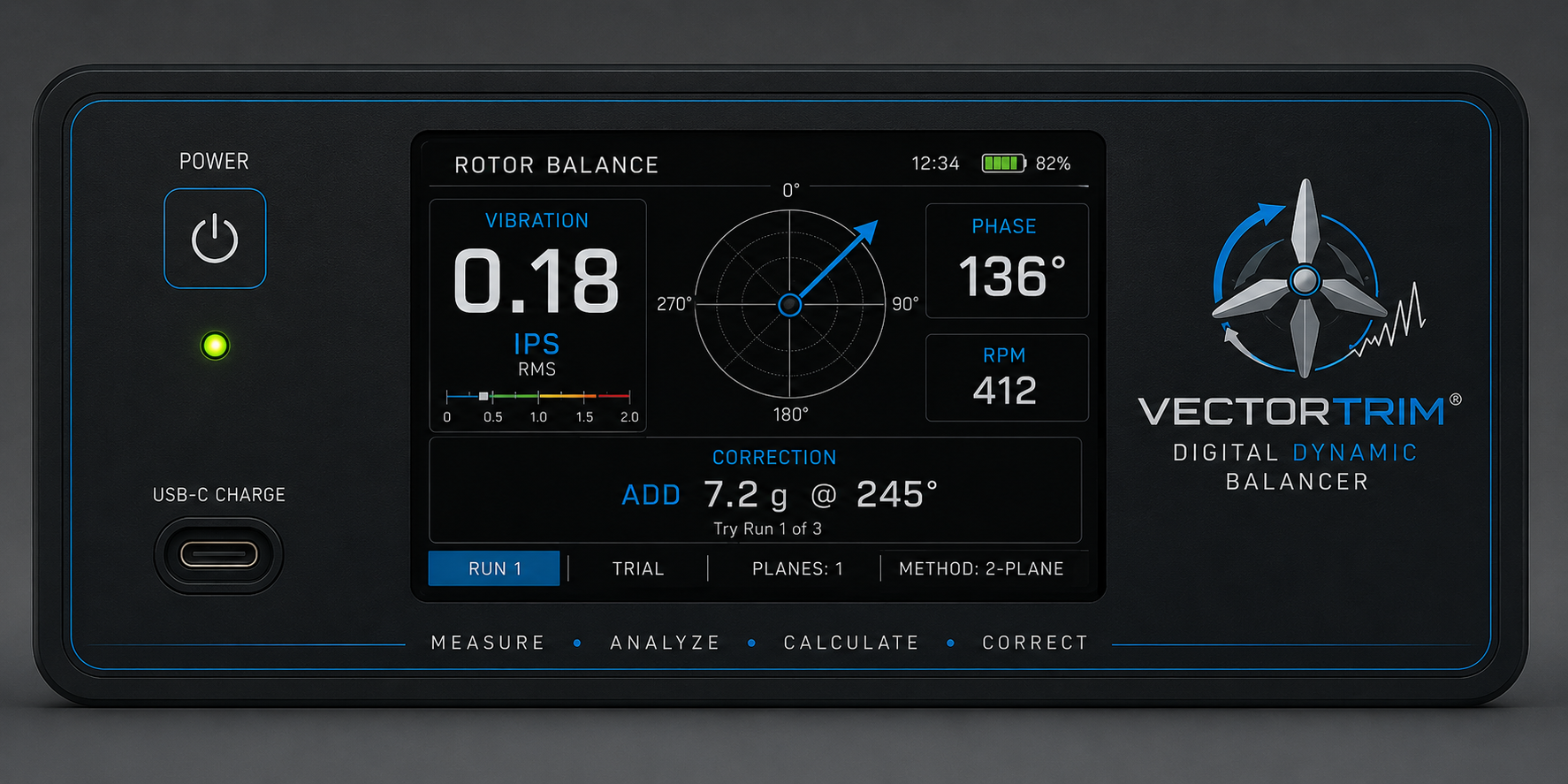
This concept image establishes the current visual direction: centered TFT for reversible viewing, left-side power/charge grouping, a single bicolor status LED, and a cleaner right-side VectorTrim brand area.
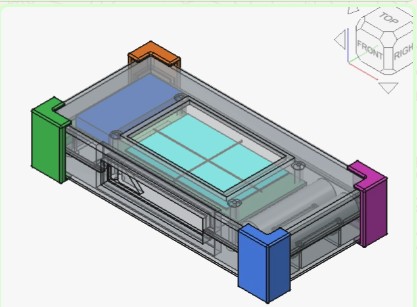
Early transparent CAD work established screen position, internal packaging, connector access, and rugged corner protection.
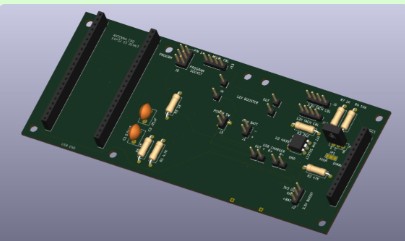
The first board validated the sensor, tach, display, and signal-conditioning architecture. A smaller low-profile revision is now being organized around the production enclosure.
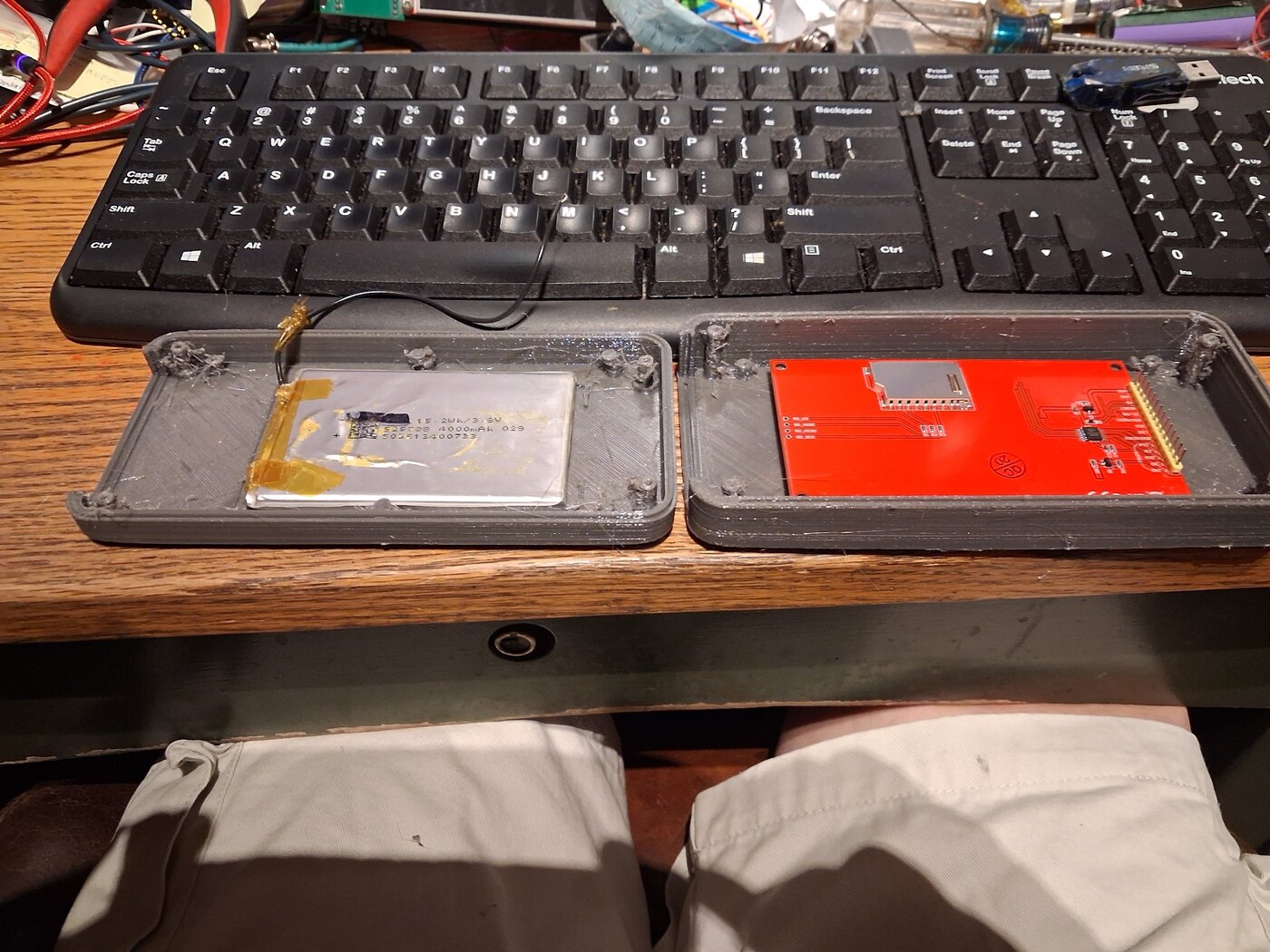
A 1:1 printed shell confirms that the flat 4,000 mAh battery and TFT fit comfortably, leaving usable space for the revised processor, converters, and connectors.
Independent American small business
Designed, developed, and assembled in the USA.
VectorTrim is being created as a focused product by a small independent American business. Planned production centers on careful small-batch assembly, direct support, and continuing hands-on development.
Small-batch assemblyDirect product supportContinued U.S. development
Planned U.S. assembly using domestic and imported components.
Development updates
Follow VectorTrim from prototype to field testing.
Join the interest list for enclosure progress, test results, refinement of projected pricing, and notice of any pilot production run.
No sales pitch yet.The immediate goal is a working, repeatable instrument and honest test data.
Development notice
VectorTrim is a prototype measurement aid under development and is not currently represented as approved aviation test equipment. Specifications, software, appearance, capabilities, availability, and pricing may change. Aircraft maintenance must follow applicable regulations, approved data, and manufacturer instructions.